starting on a journey from Tortosa to Barcelona offers a unique opportunity to explore Spain ’s diverse landscapes and deep history. The route, approximately 100 kilometers, can be covered by train or bus, each offering distinct experiences that cater to different preferences and budgets. Whether you prefer the convenience of a train ride or the flexibility of a bus journey, this guide will help you navigate the options and make the most of your trip. Route Options at a Glance # The journey from Tortosa to Barcelona can be undertaken by train or bus, with each mode of transport offering different advantages. The train journey is quicker, taking around 108 minutes, and costs approximately $12. This makes it an ideal choice for those looking to minimize travel time and enjoy a more comfortable ride. In contrast, the bus journey takes slightly longer, around 130 minutes, but is more affordable at $20. Bus travel offers the advantage of flexibility, with more frequent departures and stops, which can be beneficial for those who need to make multiple connections or have specific travel needs.

Traveling from the historic town of Sagunto to the cosmopolitan energy of Barcelona offers a chance to experience two very different facets of Spanish life. Whether you prefer the gentle rhythm of a train, the straightforward convenience of a bus, or the speed of a short flight, each option presents its own set of advantages. Below you’ll find a thorough look at every mode of transport, practical advice for booking, and tips to stretch your budget while keeping the journey comfortable. Route Options at a Glance # The three main ways to cover the roughly 300‑kilometre distance between Sagunto and Barcelona differ dramatically in price and travel time. A regional train ticket costs $2 and takes about 315 minutes (just over five hours). The bus, while a bit pricier at $30, shortens the journey to 384 minutes (roughly six and a half hours) thanks to fewer stops. For those who value speed above all, a flight is available for $44, landing you in Barcelona after a swift 65 minutes in the air. All three services provide a booking link, making it easy to secure a seat in advance.
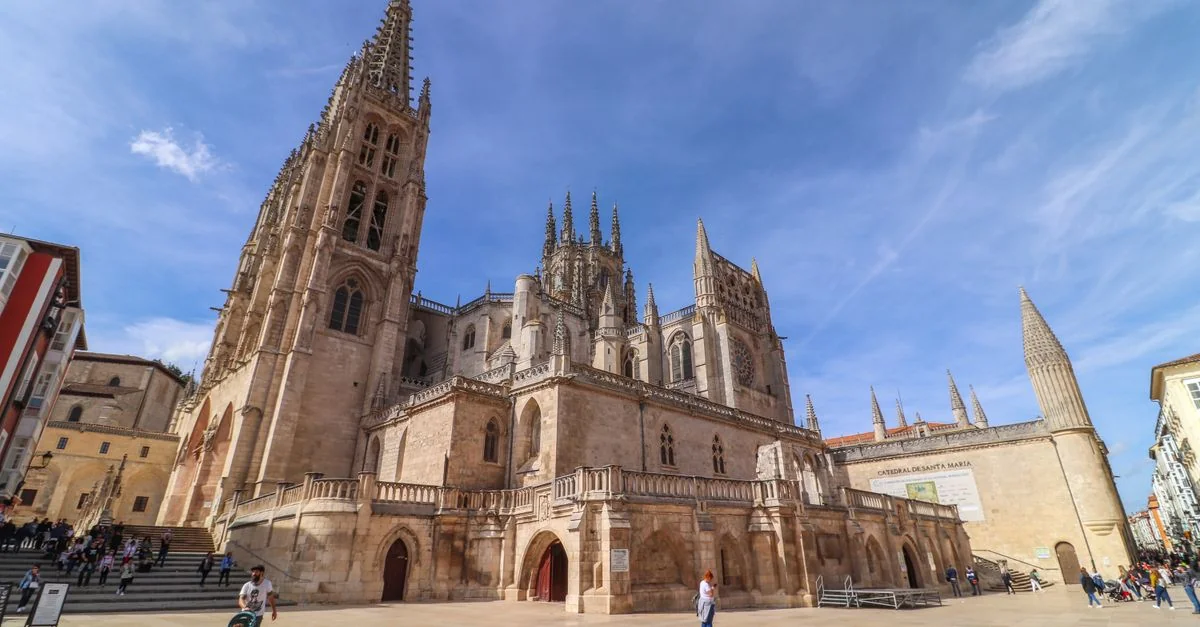
When planning your journey across northern Spain from Burgos to Barcelona , understanding your transit choices will ensure a smooth trip. This route connects the historic core of Castile and León with the Mediterranean energy of Catalonia through several distinct conveyance modes. Route Options at a Glance # When mapping your journey between Burgos and Barcelona , you have three primary conveyance modes available to suit your budget and schedule preferences. The train provides a rail option priced at $50 with a duration of 393 minutes. For travelers preferring a road journey, the bus is available at $56 with a travel time of 460 minutes. Finally, if you prioritize speed above all else, the flight covers the distance in just 75 minutes at a cost of $113.
Making the journey from Madrid Barajas Airport to the dynamic Catalan capital of Barcelona requires navigating Spain ’s efficient national transport network. With multiple modes of transit connecting these two major hubs, travelers can select the option that best matches their budget and schedule. Route Options at a Glance # When planning your journey from Madrid Barajas Airport to Barcelona , you will find three distinct transport methods available in the data. Each option varies significantly in price, duration, and convenience, allowing you to tailor your travel experience according to your specific needs. Understanding these differences before you arrive at the airport will save you both time and money.
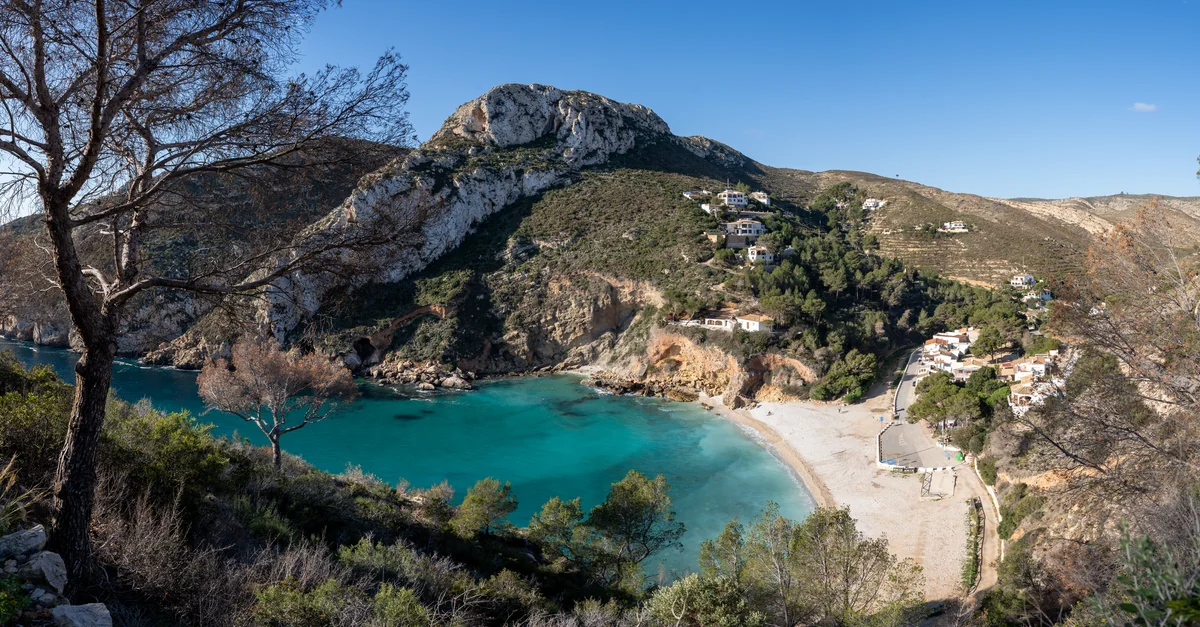
Making the journey from the coastal tranquility of Garraf to the dynamic energy of Barcelona is a straightforward transit corridor for travelers in Catalonia. Whether you are concluding a peaceful seaside retreat or simply shifting your base between these two distinct locations, understanding the mechanics of the journey ensures a seamless transition. Route Options at a Glance # The corridor connecting Garraf to Barcelona is well-traveled, offering simple transit mechanics for visitors navigating this part of the Spanish coastline. Moving from the quiet shores of Garraf directly toward the metropolitan hub of Barcelona requires minimal planning, though choosing the right approach depends on your personal schedule and preferences. The distance is relatively short, making day trips or one-way transfers entirely feasible without losing valuable time in transit.
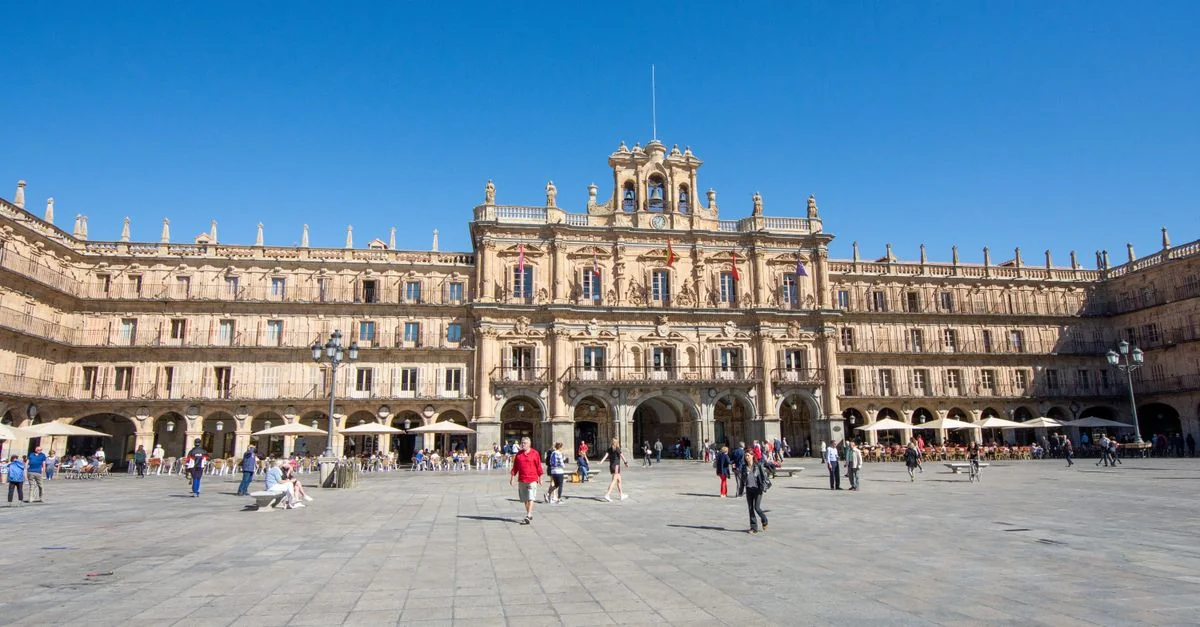
Traveling across Spain from the golden sandstone architecture of Salamanca to the coastal energy of Barcelona requires an understanding of the available transit options. This route connects two major cultural hubs through specific overland connections, allowing travelers to choose the mode of transport that best fits their schedule and budget. Route Options at a Glance # The journey from Salamanca to Barcelona connects the western expanse of Castile and León with the Mediterranean coast of Catalonia. When planning this cross-country trip, travelers can select between rail and highway transport. The available options provide distinct ways to cover the distance, varying by cost and vehicle designation.
Traveling along the Mediterranean coast requires a firm grasp of local transit options to ensure a smooth journey between coastal towns and major hubs. Moving from Pineda de Mar down to Barcelona connects a relaxed beachside locale with a sprawling metropolitan destination using straightforward infrastructure. Route Options at a Glance # Navigating the journey between Pineda de Mar and Barcelona involves choosing between rail and road transit, as both methods serve travelers looking to traverse this coastal corridor. Each transport mode presents distinct advantages regarding timing and expenditure, allowing individuals to tailor their trip based on personal preferences. Understanding the basic metrics of each choice provides a solid foundation for planning the transit segment effectively.
The journey between Reus and Barcelona is one of the most frequently traversed routes in Catalonia, connecting the historic capital of the Camp de Tarragona with the cosmopolitan energy of Spain ’s second-largest city. For travelers, commuters, and tourists alike, this short distance represents a significant shift in atmosphere, moving from the industrial heritage and modernist architecture of Reus to the sprawling urban landscape of Barcelona. While the physical distance is modest, the choice of transportation can significantly impact the quality of the trip, the cost, and the overall experience. Understanding the nuances of the available options is essential for planning a seamless transition between these two pivotal points in the region.
Barcelona to Murcia: Your Options at a Glance # Navigating the journey from the Catalan capital of Barcelona to the historic city of Murcia requires a clear understanding of the available transit modes. Travelers have three primary ways to complete this route: by train, by bus, or by air. Each method offers a distinct balance of cost and travel time, allowing passengers to prioritize their specific needs, whether that is minimizing time spent in transit or keeping travel expenses low. The distance between these two points is significant, and choosing the right transport mode can influence the overall quality of the trip. By reviewing the specific data points for these services, one can plan the journey with precision.
Photo by Carolina Prado on Pexels Orpesa/Oropesa del Mar to Barcelona: Your Options at a Glance # Traveling from Orpesa/Oropesa del Mar to Barcelona offers a couple of practical options, primarily by train and bus. Each mode of transport has its unique advantages, catering to different preferences and budgets. The train journey is notably economical, priced at $2, while the bus option is available for $31.