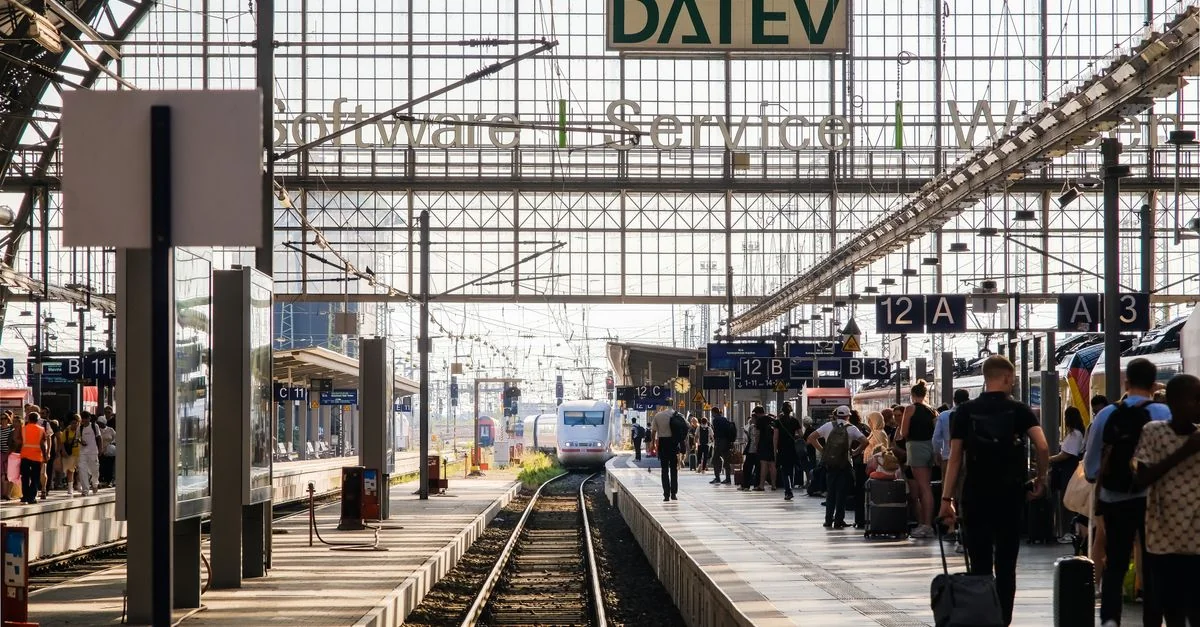
The corridor connecting Hamburg Airport to Berlin represents one of the most frequently traversed routes in Northern Europe, linking a major international gateway with the nation’s capital. For travelers arriving in Hamburg or departing from the city’s airport, the choice of transport to cover the roughly 280 kilometers to Berlin involves balancing cost, time, and comfort. The landscape of options is clear and defined, with rail, road, and air travel each offering distinct advantages depending on your specific itinerary and budget constraints. Understanding the nuances of each mode of transport is essential for making an informed decision. The data reveals a stark contrast between the economical ground transport options and the premium air service. While the flight offers the quickest physical transit time, the total journey duration, including security and check-in, often makes it less appealing for a domestic trip of this distance. Conversely, the train and bus provide a more direct experience of the German landscape, allowing for a relaxed transition from the airport to the heart of the capital. This guide breaks down the specific costs, durations, and practical considerations for each option to help you plan your journey with confidence.
Heidelberg’s historic streets and Berlin’s dynamic cultural scene are linked by several convenient transport choices. Whether you prefer the economy of a bus, the comfort of a train, or the speed of a short flight, each option offers a distinct experience. Below you will find a detailed look at the available routes, practical advice for booking, and tips to keep your journey affordable and smooth. Route Options at a Glance # When you compare the three main ways to travel between Heidelberg and Berlin, the differences become clear. The train costs $11 and takes roughly 305 minutes (just over five hours). It departs from Heidelberg’s central station and arrives at Berlin Hauptbahnhof, providing a direct connection without the need for additional transfers. This price makes the rail option the most budget‑friendly of the three, while still delivering a respectable travel time.
starting on a journey from Berlin to Amsterdam offers a variety of transportation options, each with its own unique advantages. Whether you prefer the comfort of a train, the convenience of a bus, or the speed of a flight, there’s a mode of travel that suits every traveler’s needs and preferences. This guide will provide an overview of the available options, what to expect on each, and practical tips to ensure a smooth journey. Route Options at a Glance # Traveling from Berlin to Amsterdam can be accomplished by train, bus, or flight. The train journey takes approximately 369 minutes and costs around $26. The bus option is slightly cheaper at $24 but takes longer, around 505 minutes. For those in a hurry, a flight is available for $38 and takes about 85 minutes. Each mode of transport offers a different experience, from the scenic views of the countryside to the convenience of direct travel.
Traveling between Bremen Hbf and Berlin offers several transport options depending on your budget and time constraints. This guide provides the exact details for every available mode of transit along this German corridor, drawing strictly from official route data. Route Options at a Glance # When planning your journey from Bremen Hbf to Berlin, you can choose between three distinct transport modes, each offering different balances of cost and travel duration. The train stands out as the most efficient and economical choice, priced at $13 with a travel time of 173 minutes. Opting for the rail service provides a direct and reliable connection from the historic station in Bremen straight to the German capital.
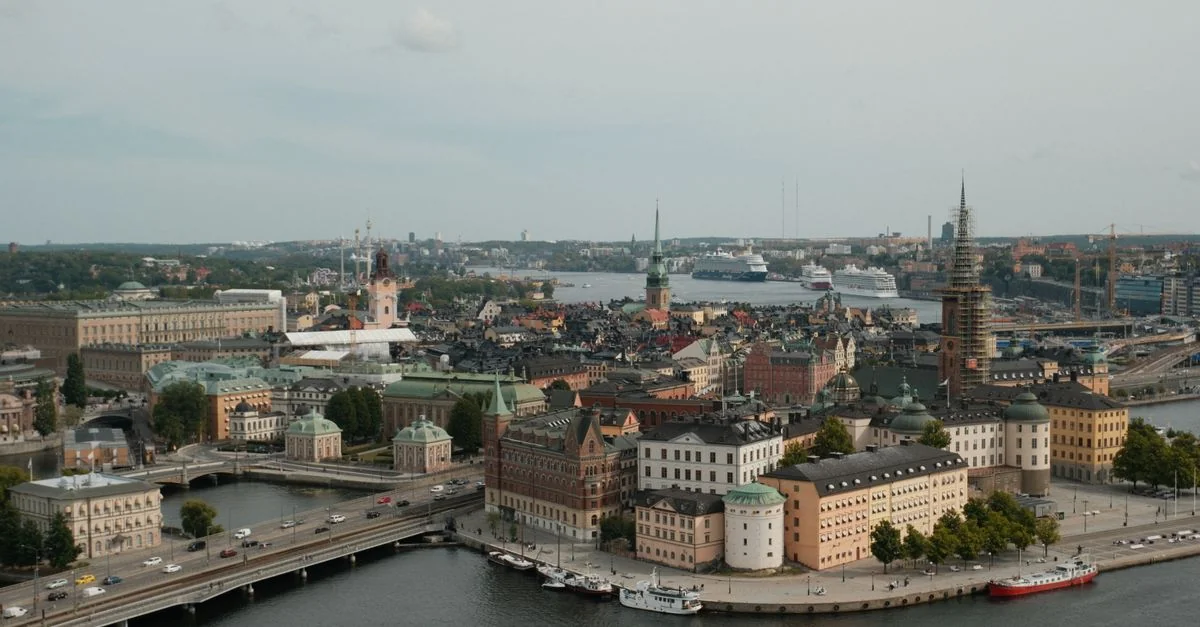
The journey from the Swedish capital to the heart of Germany connects two significant Baltic hubs. Travelers have distinct choices regarding how they traverse the distance between Stockholm and Berlin, with options ranging from rail and road to air travel. Route Options at a Glance # Navigating the route from Stockholm to Berlin requires a decision based on your personal priorities regarding time and cost. The rail connection is the most economical choice, priced at 42, while the bus service is available for 53. For those who prioritize speed above all else, the flight option is priced at 56. Each mode of transport serves a different type of traveler, and evaluating these specific figures helps in planning a trip that aligns with your individual budget and schedule.

Traveling from the tranquil forests of the Veluwe region in the Netherlands to the sprawling, historic avenues of the German capital is a journey that links two distinct European cultures. Navigating this international corridor requires understanding the available transit modes, their associated costs, and their distinct travel times. Whether you prioritize low pricing, speed, or a straightforward overland trip, reviewing the data for this specific journey helps set realistic expectations for your cross-border transit. Apeldoorn to Berlin Transit and Travel Guide # Route Options at a Glance # When traveling from Apeldoorn to Berlin, passengers have three distinct modes of transport available based on the current route data. Each option varies significantly in price and duration, giving travelers the flexibility to choose what best fits their schedule and budget. The most economical way to make this journey is by rail, with the train priced at $20 and taking 283 minutes to complete the journey. This rail option provides a balance of affordability and reasonable travel time across the international border.
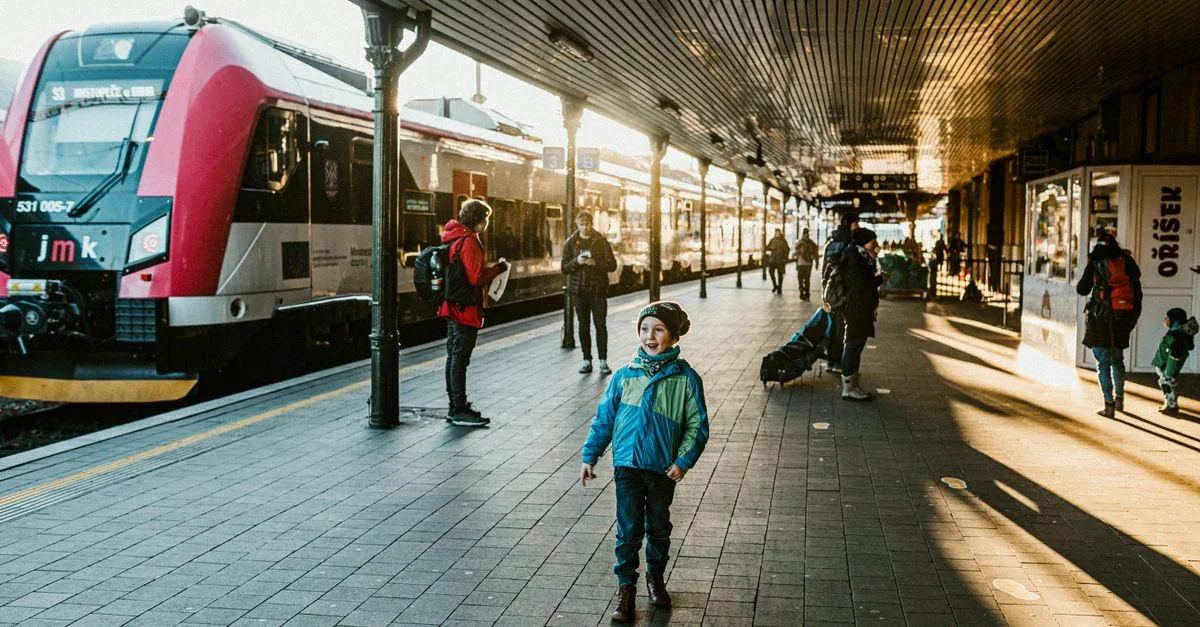
The journey from the industrial heart of Saarland to the capital of Germany offers a clear look at the efficiency of the national transport network. Travelers moving between Saarbrücken and Berlin have distinct choices that balance cost and time, ensuring that the transit process remains straightforward for those crossing the country. Route Options at a Glance # When considering the transit from Saarbrücken to Berlin, the primary modes of transport available are rail and coach. The train serves as the faster alternative, covering the distance in 389 minutes, while the bus takes 622 minutes. These durations provide a clear distinction for those prioritizing speed versus those who might prefer a more economical or relaxed pace.
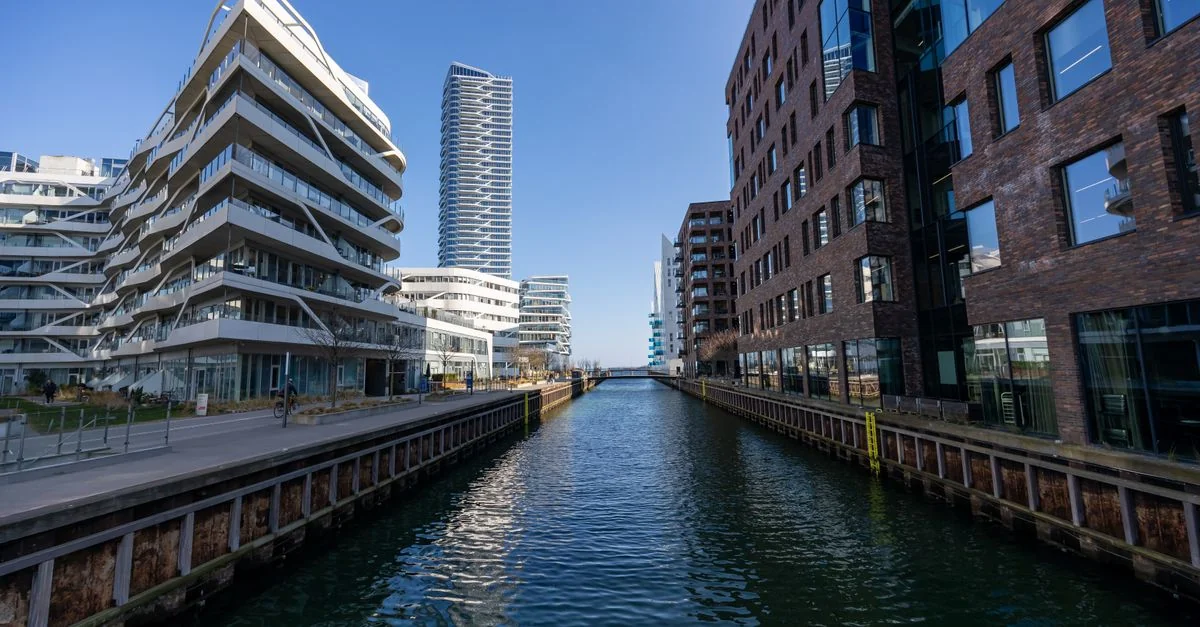
Aarhus to Berlin: Your Options at a Glance # When planning a journey from the Danish coastal city of Aarhus to the German capital of Berlin, travellers have three primary transport modes available. Each option offers a distinct combination of travel duration and cost. For this specific cross-border route, passengers can choose between taking a train, boarding a bus, or taking a flight. Booking links are available for those ready to secure their tickets. Understanding the specific numbers associated with each choice ensures a smooth planning process.
Photo by Mohammed Shaheen on Pexels
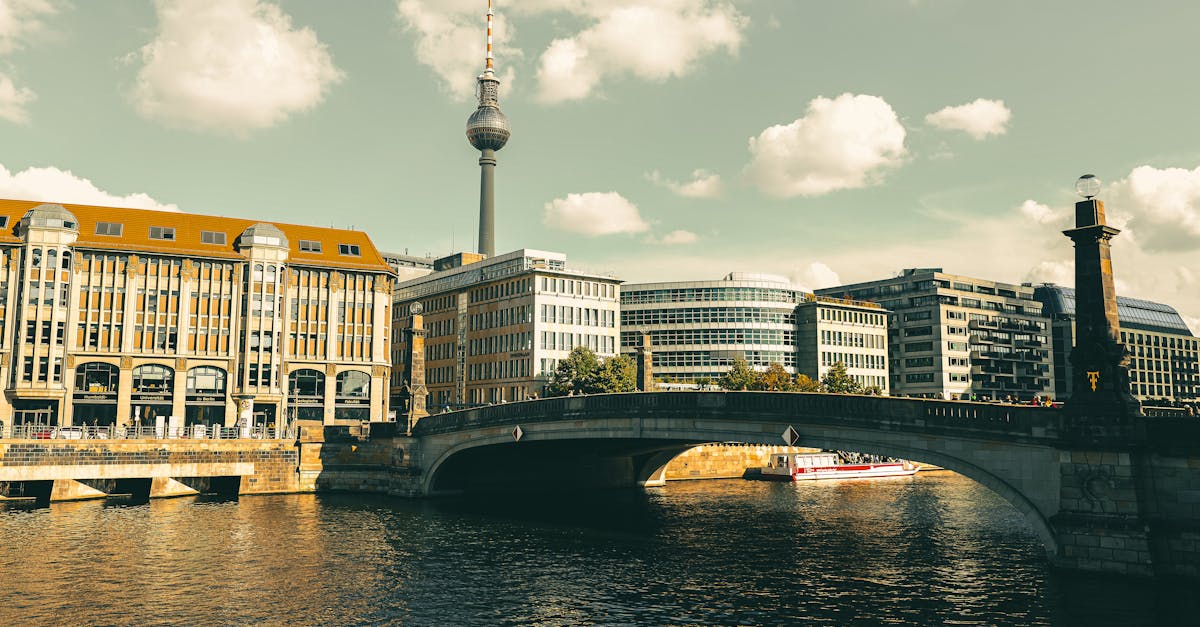
Berlin to Stuttgart: Your Options at a Glance # Photo by Jasper Kortmann on Pexels
Traveling from Berlin to Stuttgart offers several options, each with its own advantages. Whether you prefer the speed of flying, the comfort of train travel, or the affordability of buses, there’s a suitable choice for every traveler. The distances involved and the respective costs make each mode of transport an interesting consideration for your journey.
Photo by Red Nguyen on Pexels
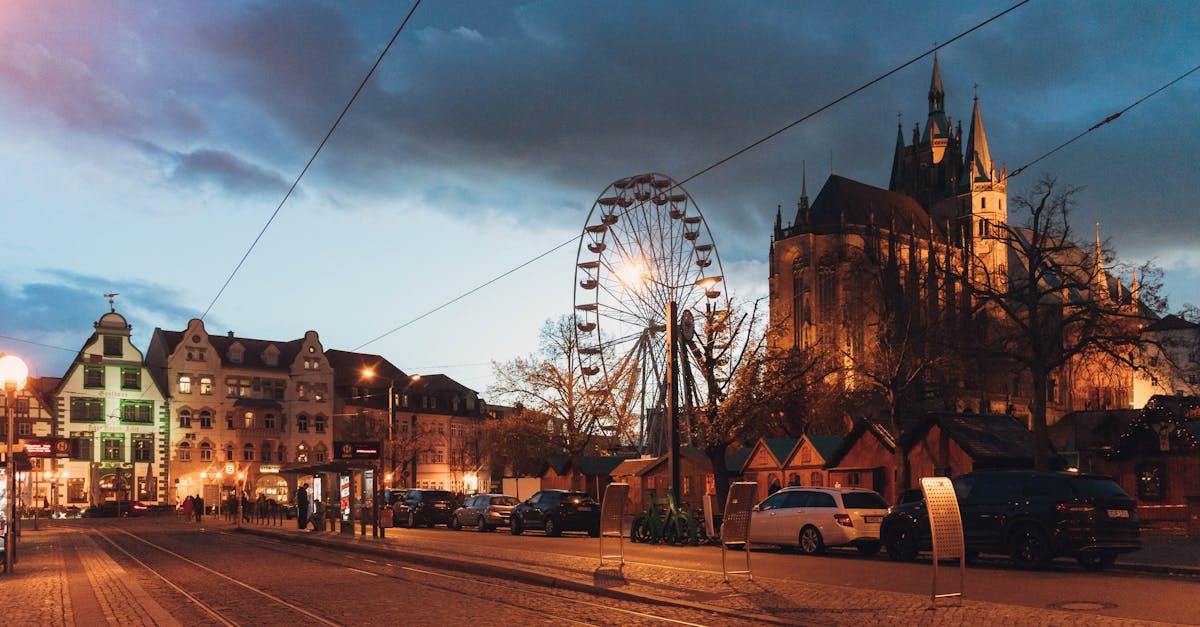
Erfurt Hbf to Berlin: Your Options at a Glance # Traveling from Erfurt Hbf to Berlin offers a couple of practical options for transport: train and bus. Each mode provides its own advantages, making it essential to choose the one that best fits your schedule and preferences.