Traveling between the historic alpine town of Kitzbühel and the regional capital of Innsbruck offers a straightforward transit experience through the Austrian landscape. This route connects two distinct urban environments, allowing travelers to move easily from legendary winter sports terrain directly into a city known for its imperial history and modern infrastructure. Route Options at a Glance # The transit corridor linking Kitzbühel to Innsbruck relies on established rail infrastructure, providing a direct connection between these two points. Travelers journeying along this path will cover the distance in 69 minutes using the available train service. This duration ensures that commuters and holidaymakers alike can complete the journey within a convenient timeframe without requiring complicated transfers.
Traveling from Madrid Chamartín to Salamanca offers a straightforward journey across the central Spanish plains. This route connects a major capital transportation hub with a historic university city renowned for its golden sandstone architecture. Understanding the available transit options ensures a smooth trip between these two iconic Spanish destinations. Route Options at a Glance # When planning the journey from Madrid Chamartín to Salamanca, travelers can choose between two primary land transport modes: train or bus. Both options provide direct connections, though they differ significantly in duration and cost. The choice ultimately depends on whether a traveler prioritizes a faster transit time or a lower fare.
The journey from the small town of Calusco d’Adda to the major urban center of Milan is a routine transit for many residents and visitors alike. By utilizing the available rail network, travelers can navigate between these two points with efficiency and predictability. Route Options at a Glance # When moving from Calusco d’Adda to Milan, the primary method of transit involves the regional rail network. This connection serves as a vital link for those commuting or visiting the capital of Lombardy. Because the distance is relatively short, the rail infrastructure is designed to prioritize speed and frequency, allowing passengers to move between the suburban environment and the central city without significant delays or complex transfers.
The journey from the quiet plains of Grandola to the steep, river-carved hills of Porto offers a significant change in geography and atmosphere. Whether you prioritize speed, cost, or the scenery of the Portuguese landscape, understanding the logistics of this route is essential for a smooth arrival in the northern capital. Route Options at a Glance # When planning your movement from Grandola to Porto, you have three distinct modes of transport available, each offering a different balance of time and expense. The train is the most economical choice, priced at 16 GBP, and it requires 251 minutes to complete the journey. This option provides a steady pace that allows passengers to view the changing terrain of the country as they head north.
Traveling between the historic market town of Colchester and the capital city of London is a common journey for commuters, day‑trippers, and tourists alike. With two primary public‑transport options on offer, you can decide whether speed or cost matters most on the day you travel. Below you’ll find a detailed look at each mode, practical advice for securing tickets, and tips to stretch your budget without sacrificing comfort. Route Options at a Glance # When you compare the two services that connect Colchester with London, the differences are stark. The train departs from Colchester Town station and arrives at London Liverpool Street in just 47 minutes, with a fare of $10. By contrast, the bus leaves from the town centre and reaches London Victoria after a 195‑minute ride, costing $22. Both services operate multiple times per day, giving you flexibility whether you need an early start or a later return.
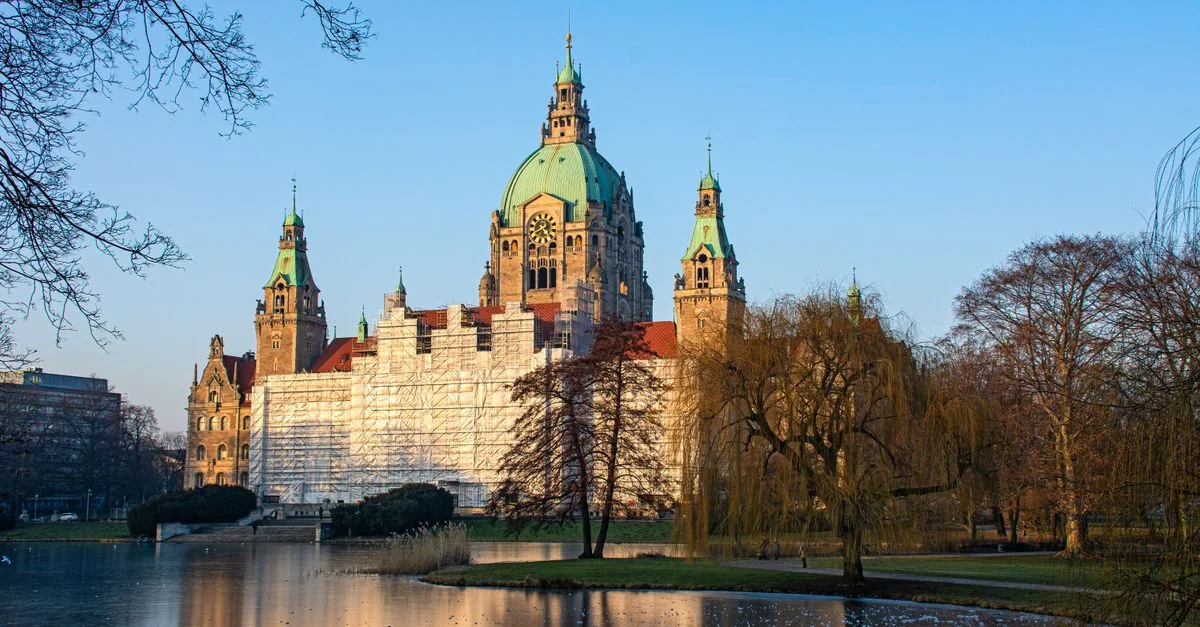
Traveling from the historic city of Hanover to the charming French capital of Lyon offers a blend of cultural experiences and practical travel choices. Whether you prefer the rhythmic comfort of a train, the scenic route of a bus, or the speed of a flight, each option brings its own rhythm to the journey. Below you’ll find a detailed guide to help you choose the best way to cross the continent. Route Options at a Glance # The three primary modes of transport from Hanover to Lyon are train, bus, and flight. The train journey takes 495 minutes, or just over eight hours, offering a steady pace and the opportunity to view the evolving landscape. The bus route is longer, clocking in at 927 minutes, which translates to more than fifteen hours of travel; it is the most economical choice for those who enjoy the road. The flight, the quickest of the three, covers the distance in 265 minutes, or a little over four hours, and is ideal for time‑constrained travelers. All three options provide a booking link, allowing you to secure your seat or seat quickly and conveniently.
Planning a journey from the historic wine center of Asti to the busy port city of Genova requires understanding the available transit choices. This resource provides the exact details needed to navigate this specific Italian corridor efficiently. Route Options at a Glance # The transit corridor connecting Asti to Genova presents specific pathways for travelers moving between Piedmont and Liguria. Planning this specific movement involves evaluating available modes based on the provided data. Each option offers distinct characteristics for covering the distance between these two urban centers.
The journey from the inland town of Ontinyent to the coastal city of Valencia connects two distinct landscapes within the Valencian Community. Travelers moving between these points have two primary public transport options, each offering different trade-offs regarding time and cost. Route Options at a Glance # The transit corridor connecting Ontinyent to Valencia is well-established, allowing residents and visitors to move between the interior hills and the Mediterranean coast with relative ease. When planning this trip, the primary decision involves choosing between the rail network and the road network. The train provides a reliable connection for those prioritizing a lower fare, while the bus service offers a slightly faster transit time for those willing to pay a higher price. Both options are accessible and provide consistent schedules throughout the week, making them the standard methods for completing this specific regional transit.
Planning a journey from the charming landscapes of Sunne to the capital city of Stockholm requires understanding the available transportation networks and pricing structures. Travelers can choose between train, bus, and flight options to complete this specific Nordic itinerary. Route Options at a Glance # When planning your departure from Sunne toward Stockholm, evaluating your transport choices comes down to balancing cost, duration, and convenience. The available modes of transit vary significantly in price and travel time, giving you distinct ways to tailor the journey to your personal preferences and schedule constraints.
Traveling across northern Spain requires careful planning, especially when connecting the Atlantic coast of Galicia with the inland historic regions of Castile and León. Whether you prioritize cost, speed, or specific vehicle amenities, understanding the available transit modes will help you design a smooth trip between these two distinct cities. Route Options at a Glance # The journey from Vigo to Burgos connects two very different cultural landscapes in Spain, spanning a significant distance across the northern portion of the country. Travelers have three distinct transit choices available for this specific corridor: train, bus, and flight. Each option comes with its own financial cost and time commitment, making it essential to weigh these factors before locking in your travel plans.