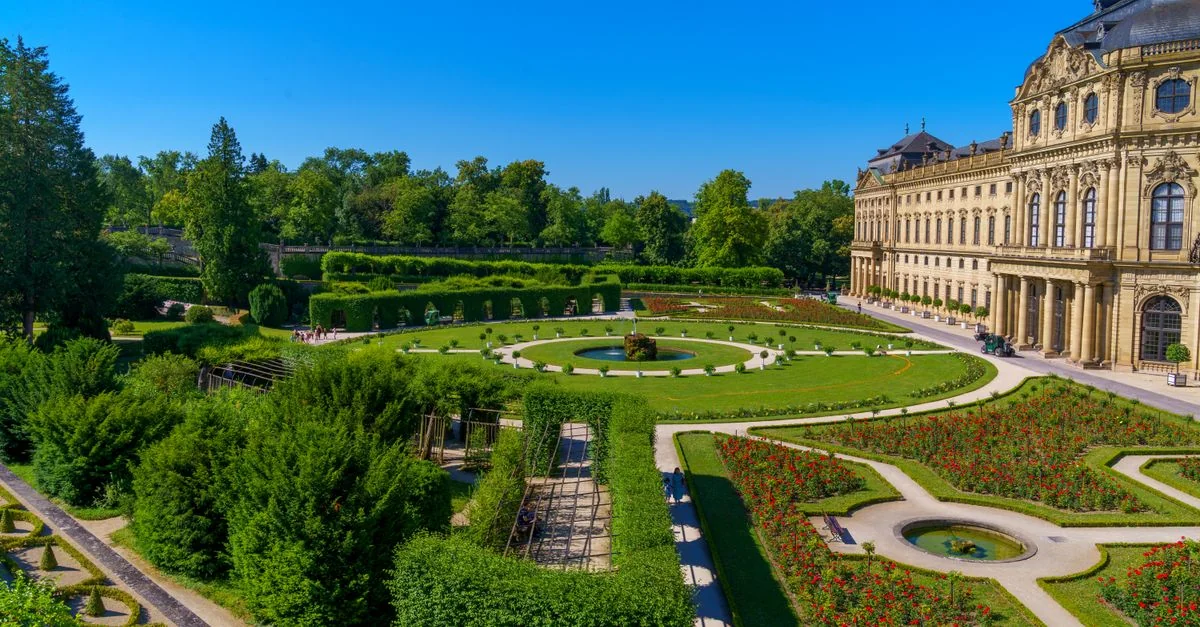
The corridor connecting Würzburg and Munich represents one of the most significant travel arteries in southern Germany . This route bridges two distinct cultural and historical landscapes, linking the Baroque elegance of Franconia with the modern dynamism of Bavaria’s capital. For the traveler, the choice of transportation is not merely a logistical decision but a determinant of the journey’s character. Whether you prioritize speed, cost-efficiency, or the scenic experience of the landscape, understanding the available options is crucial for a smooth transition between these two major hubs. This guide provides a detailed analysis of the train and bus services connecting these cities, offering precise data on pricing and duration to help you plan your itinerary with confidence. Würzburg to Munich: Your Options at a Glance
Traveling between the alpine landscapes of Zell am See and the Bavarian capital of Munich is a common journey for visitors exploring Central Europe . Understanding the available transport options ensures a smooth trip across the border between Austria and Germany . This guide outlines the specific route details, costs, and practical considerations for making this journey efficiently, relying strictly on verified operational data. Zell am See to Munich: Your Options at a Glance
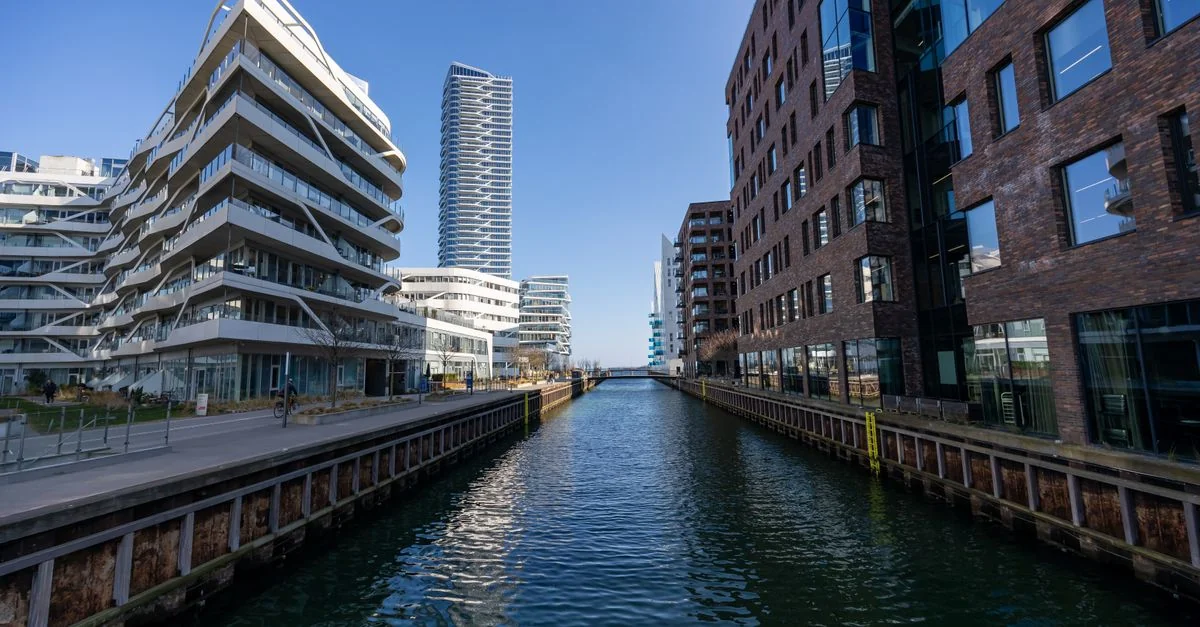
Aarhus to Berlin: Your Options at a Glance # When planning a journey from the Danish coastal city of Aarhus to the German capital of Berlin , travellers have three primary transport modes available. Each option offers a distinct combination of travel duration and cost. For this specific cross-border route, passengers can choose between taking a train, boarding a bus, or taking a flight. Booking links are available for those ready to secure their tickets. Understanding the specific numbers associated with each choice ensures a smooth planning process.
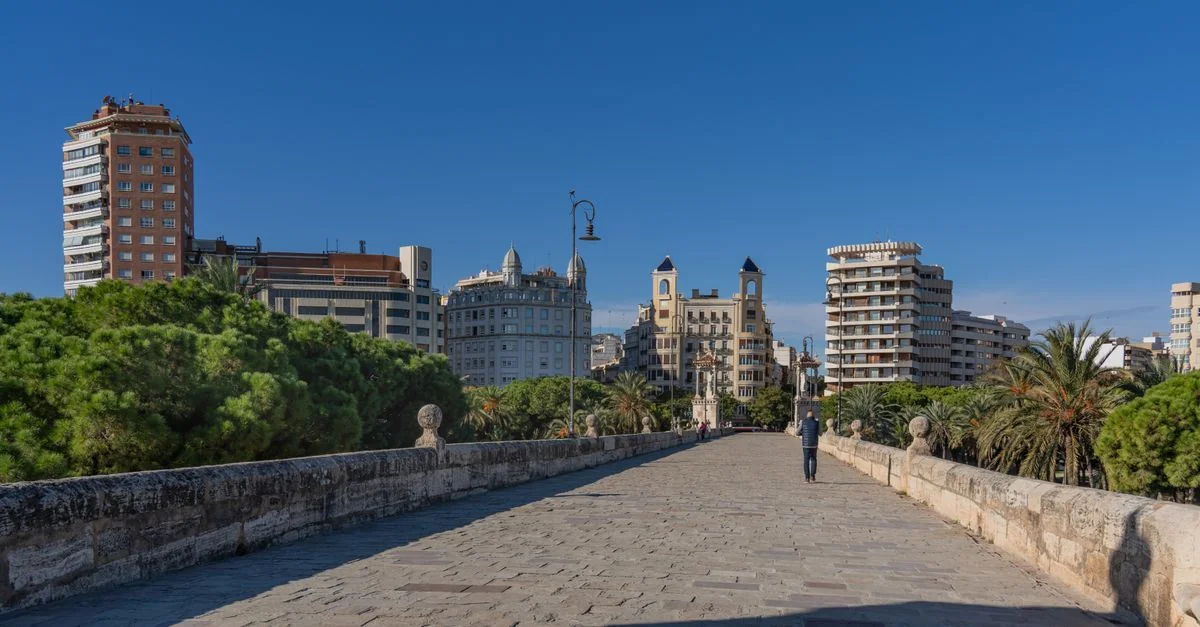
Valencia to Zaragoza: Your Options at a Glance # When planning a journey from the Mediterranean coast of Valencia inland toward Zaragoza , travelers have specific choices available based on ground transportation. The distance between these two distinct Spanish cities can be covered efficiently by train or by bus. Each mode of transport offers different characteristics regarding journey duration and ticket costs. Understanding these variables allows travelers to select the option that best fits their schedule and budget requirements, whether they prioritize spending the minimum amount possible or reaching their destination as quickly as the schedule permits.
Livorno to Lucca: Your Options at a Glance # When planning a journey across Tuscany from the coastal port of Livorno inland to the historic walled city of Lucca , travelers have distinct choices regarding regional transit. Understanding these options ensures a smooth transit between these two distinct Tuscan locations. The available modes for this specific corridor consist of rail and road transport, each offering different metrics for cost and travel time. Passengers can choose between a faster, more economical rail service or an alternative bus journey that takes slightly longer at a higher price point. Booking links are available for those preparing their journey in advance, allowing travelers to secure their tickets before departure.
Quintanar de la Orden to Madrid: Your Options at a Glance # Planning a journey from Quintanar de la Orden to Madrid requires understanding the available transport modes to ensure an efficient transit. Travelers heading toward the capital have distinct choices between rail and road services. The total distance between these locations is traversed effectively via public transportation networks, where passengers can select their preferred method based on specific pricing and timing requirements. Evaluating the available options allows travelers to tailor their trip according to their individual schedules and budgetary constraints.
Wörgl to Innsbruck: Your Options at a Glance # Planning a journey through the Austrian Tyrol requires a clear understanding of the available transport options between Wörgl and Innsbruck . When mapping out this regional transit corridor, travelers evaluate the distance, the monetary cost, and the duration of the journey. The specific connection between Wörgl and Innsbruck relies entirely on rail infrastructure within the provided data set, meaning travelers will utilize the train system to complete this trip. Understanding the financial investment and the time required ensures a smooth transit experience through the Inn Valley.
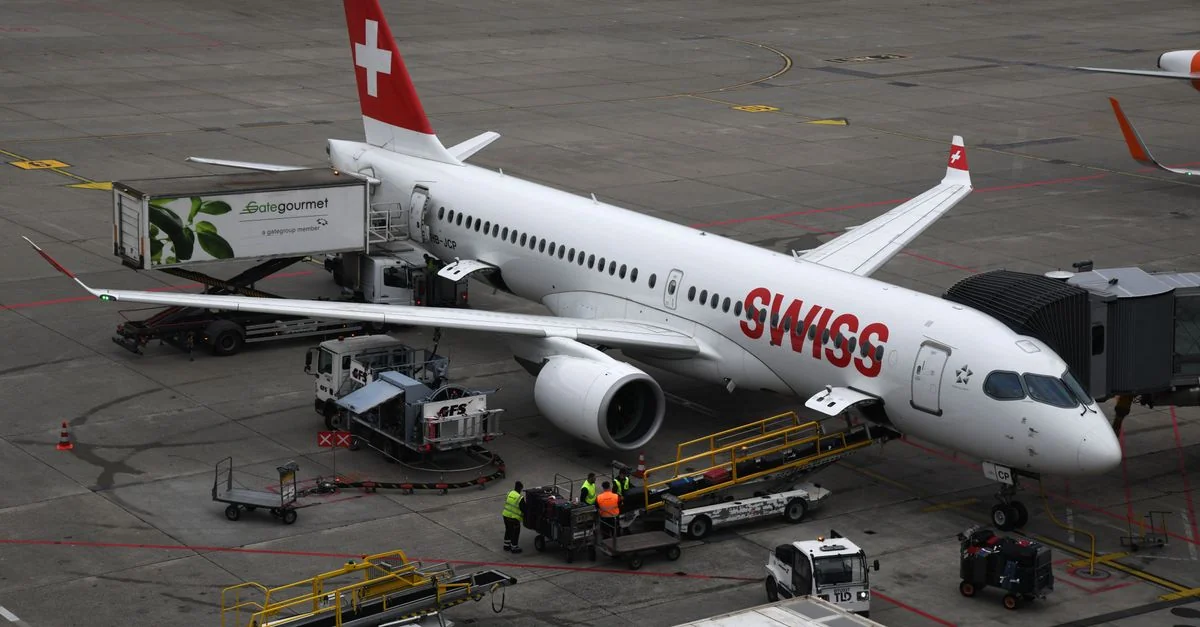
Geneva International Airport to Montreux: Your Options at a Glance # When planning your journey from Geneva International Airport to the scenic destination of Montreux, understanding your transportation choices ensures a smooth transit across Switzerland . The primary mode of transport connecting these two points involves the rail network. Travelers heading from the airport terminal straight to the shores of Lake Geneva will find clear options available to them for this specific segment.
Journeying between Grums and Gothenburg requires choosing between two distinct public transport options. Both choices offer straightforward connections from the starting municipality to the major coastal city, and booking links are available for those preparing their tickets in advance. Whether you prioritize a lower fare or a shorter journey time, understanding the specifics of each mode will help you plan an efficient trip across this Swedish corridor. Grums to Gothenburg: Your Options at a Glance
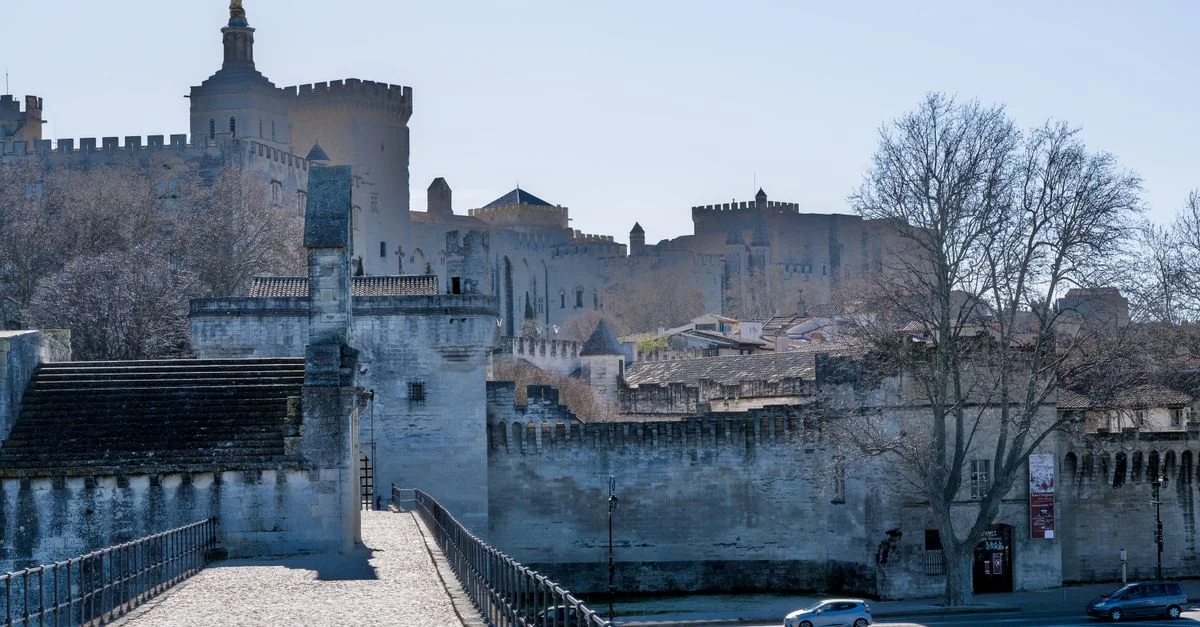
Avignon to Marseille: Your Options at a Glance # Journeying through the south of France brings travelers from the historic papal city of Avignon down to the busy Mediterranean port of Marseille . When planning this specific transit route, passengers have two primary overland modes available: train and bus. Each transport method offers distinct durations and fare structures based strictly on the current operational data for this corridor.